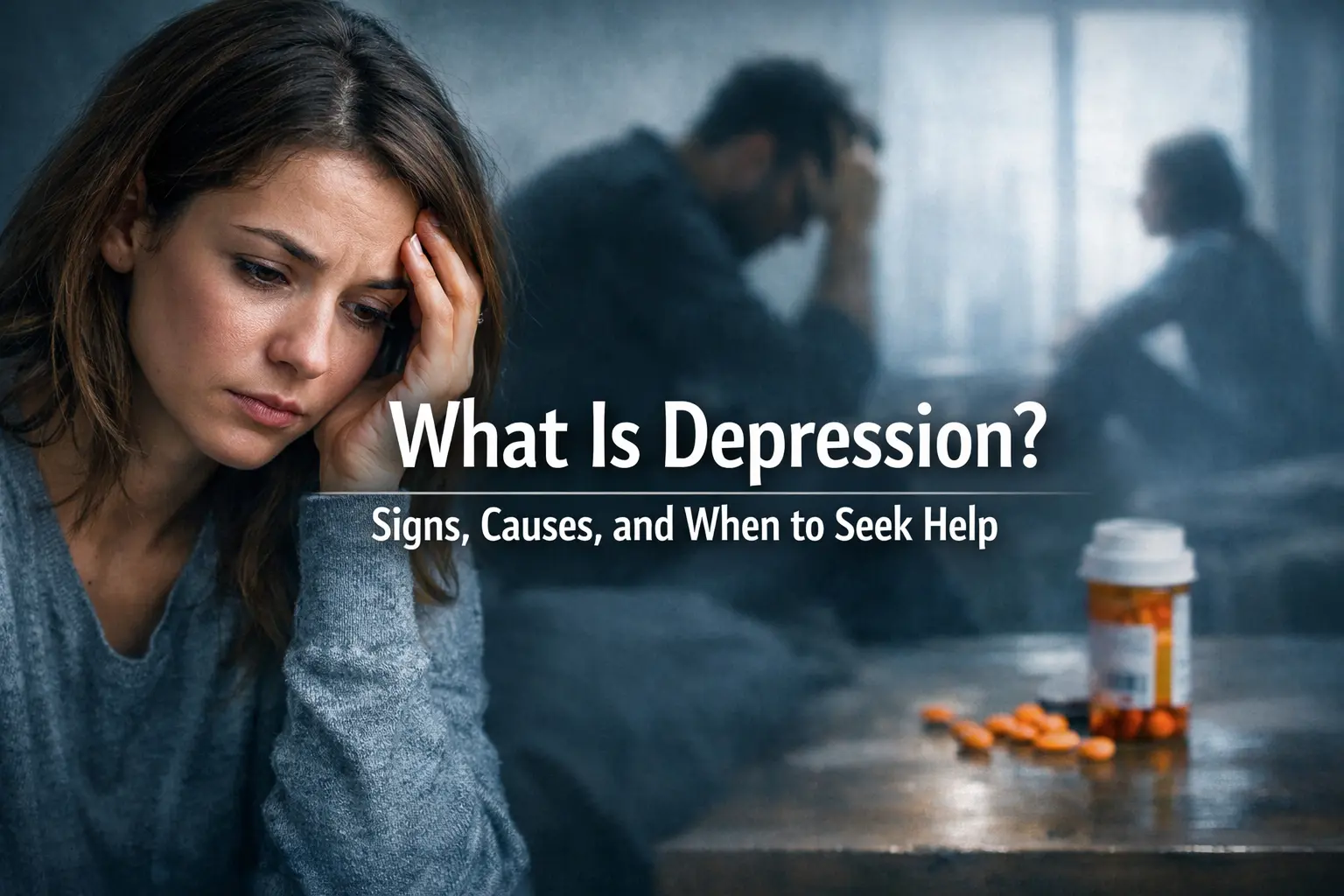
Depression is more than a bad day or a short period of feeling low. It is a real mental health condition that can affect mood, thinking, sleep, energy, appetite, relationships, and the ability to manage daily life. For many people, the hardest part is recognizing when normal stress or sadness has become something more serious. Understanding the signs, possible causes, and treatment options can make it easier to take the next step toward support.
What Depression Really Means
Depression is not the same as ordinary sadness
Everyone feels sad, disappointed, or emotionally tired at times. Depression is different because it typically lasts longer and affects how a person functions day to day. It may make work feel harder, relationships feel strained, and basic routines like sleeping, eating, or getting out of bed feel overwhelming. In many cases, symptoms are present most of the day, nearly every day, for at least two weeks.
Depression can look different from person to person
Some people describe depression as deep sadness. Others feel emotionally numb, unusually irritable, disconnected, or constantly exhausted. A person may still go to work, care for family, and keep up appearances while struggling internally. That is one reason depression is sometimes missed or delayed in getting attention. Research suggests that depression can show up through emotional, physical, and behavioral changes, not just crying or visible distress.
Common Signs of Depression
Emotional and mental signs to notice
Common emotional signs include persistent sadness, emptiness, hopelessness, irritability, guilt, low self-worth, and loss of interest in activities that used to feel enjoyable. Many people also notice trouble concentrating, forgetfulness, indecision, or feeling mentally slowed down. These symptoms can interfere with work, school, and relationships, especially when they continue for more than a brief stressful period.
Physical changes can be part of depression too
Depression is not only emotional. It can also affect the body. Sleep problems, low energy, appetite changes, unexplained aches, headaches, digestive discomfort, and feeling physically slowed down may all be part of the picture. Some people sleep much more than usual, while others have trouble falling or staying asleep. Because these symptoms can overlap with other health conditions, a professional evaluation can help clarify what is going on.
What Can Cause Depression?
There is rarely one single cause
Depression usually develops through a mix of factors rather than one simple reason. Genetics, brain chemistry, hormones, life stress, trauma, grief, chronic medical conditions, substance use, and ongoing social pressure can all play a role. A person may also be more vulnerable during major life changes, after a difficult loss, or while managing long-term pain or illness. The important point is that depression is not a personal failure or a lack of willpower.
Risk factors may increase vulnerability
Certain experiences and patterns may increase the likelihood of depression, including a personal or family history of mental health conditions, persistent stress, financial strain, social isolation, and other health concerns such as anxiety or chronic disease. Even so, risk factors do not mean someone will develop depression, and the absence of clear risk factors does not mean the symptoms are not real. Depression can affect people in very different circumstances.
When to Seek Help for Depression
Signs it may be time to reach out soon
It may be time to seek help if symptoms have lasted more than two weeks, are getting worse, or are affecting sleep, appetite, concentration, work, school, or relationships. It can also help to reach out if you find yourself withdrawing from people, losing interest in daily life, or using alcohol or other substances to cope. Early support may make treatment feel more manageable and can reduce the chance that symptoms become more disruptive over time.
When it becomes urgent
If depression includes thoughts of self-harm, suicide, or feeling unsafe, immediate help is important. In the United States, calling or texting 988 connects people to the Suicide & Crisis Lifeline, and 911 may be appropriate in an emergency. If you are worried about someone else, staying with them and helping them connect with emergency support can be an important first step.
How Depression Is Commonly Treated
Treatment often includes more than one approach
Depression is treatable, and care may include therapy, medication, or a combination of both. Talk therapy can help people understand thought patterns, improve coping skills, and work through stress, trauma, grief, or relationship concerns. Medication may also be part of care for some people, especially when symptoms are moderate to severe or persistent. Lifestyle support, such as better sleep routines, regular movement, and reduced alcohol use, can also help alongside professional treatment.
Online care can be a practical starting point
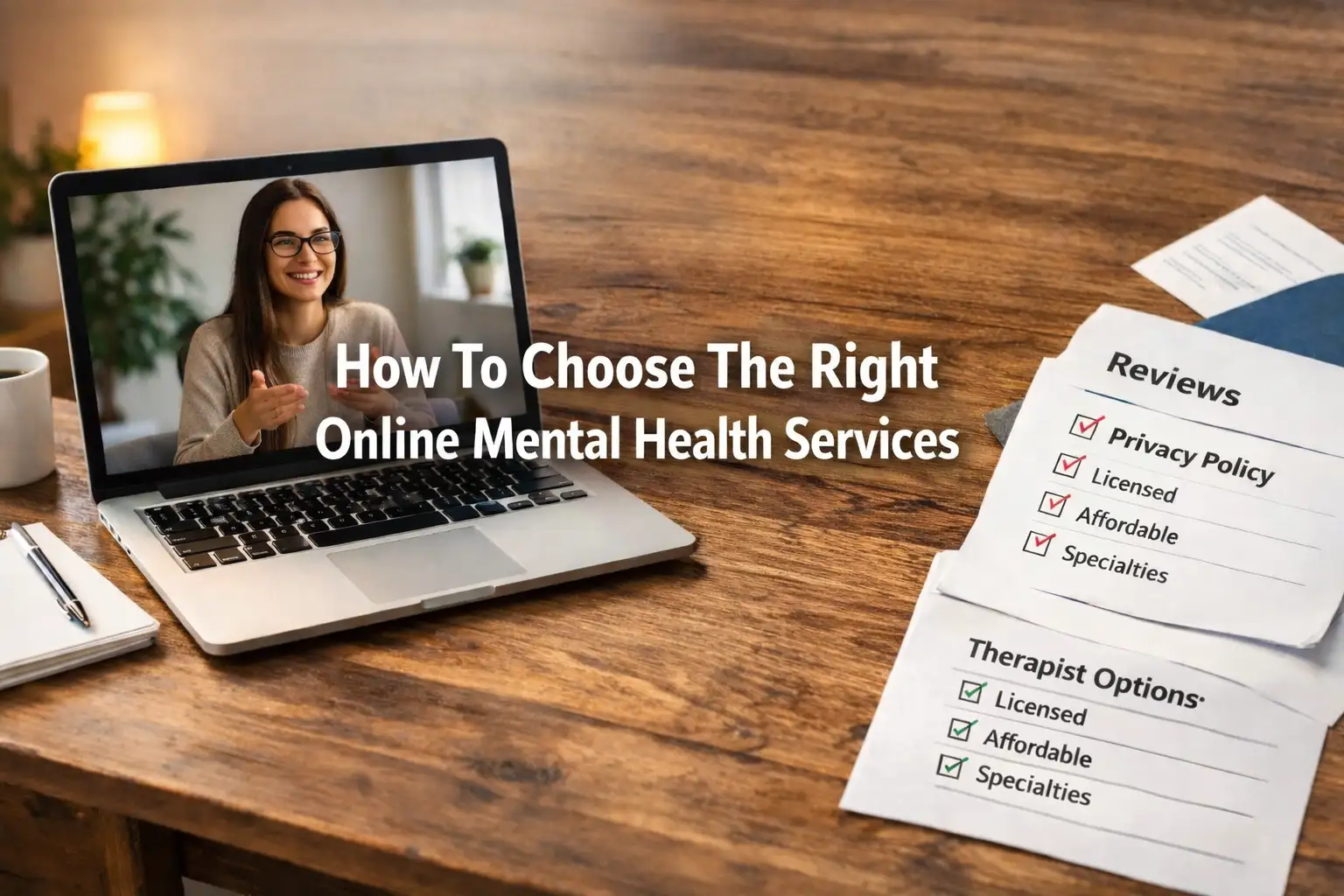
For many adults in the United States, care now includes virtual options. In many cases, telehealth mental health care can make it easier to speak with a licensed professional from home. Some people begin with online mental health services because scheduling, transportation, childcare, or work hours make in-person visits harder. Many insurance plans now cover telehealth mental health services, though benefits vary by plan, provider network, and state rules.
If therapy support is the first step, some patients look for Online Therapy That Accepts Insurance to help manage cost. Others may need evaluation for medication, in which case telemedicine psychiatry or a psychiatry appointment online may be appropriate depending on the patient’s needs and the provider’s scope of practice. People comparing options often look for telehealth mental health providers who use secure, HIPAA-compliant platforms with strong encryption and secure communication protocols. In the U.S., providers typically need to be licensed in the state where the patient is located during the visit, so availability can depend on location.
Conclusion
Depression is a medical condition that can affect how a person feels, thinks, and functions, but it is also something people can get help for. If symptoms are lasting, interfering with daily life, or making it difficult to cope, reaching out to a qualified professional can be a meaningful next step. Whether care begins in person or through virtual support, understanding depression early can help people make informed, realistic decisions about treatment and recovery.