Introduction
Accessing mental health care isn’t always easy. Long wait times, busy schedules, and limited local providers can make it difficult to get the support you need when you need it.
Telehealth mental health services have made care more accessible by allowing patients to connect with licensed professionals remotely. But an important question remains: can telehealth mental health services actually help you?
If you’re considering virtual therapy or psychiatric care, it’s important to understand how it works, what benefits it offers, and whether it’s the right fit for your needs. This guide explores how telehealth supports mental health and what you can expect from this approach to care.
What Exactly Are Telehealth Mental Health Services?
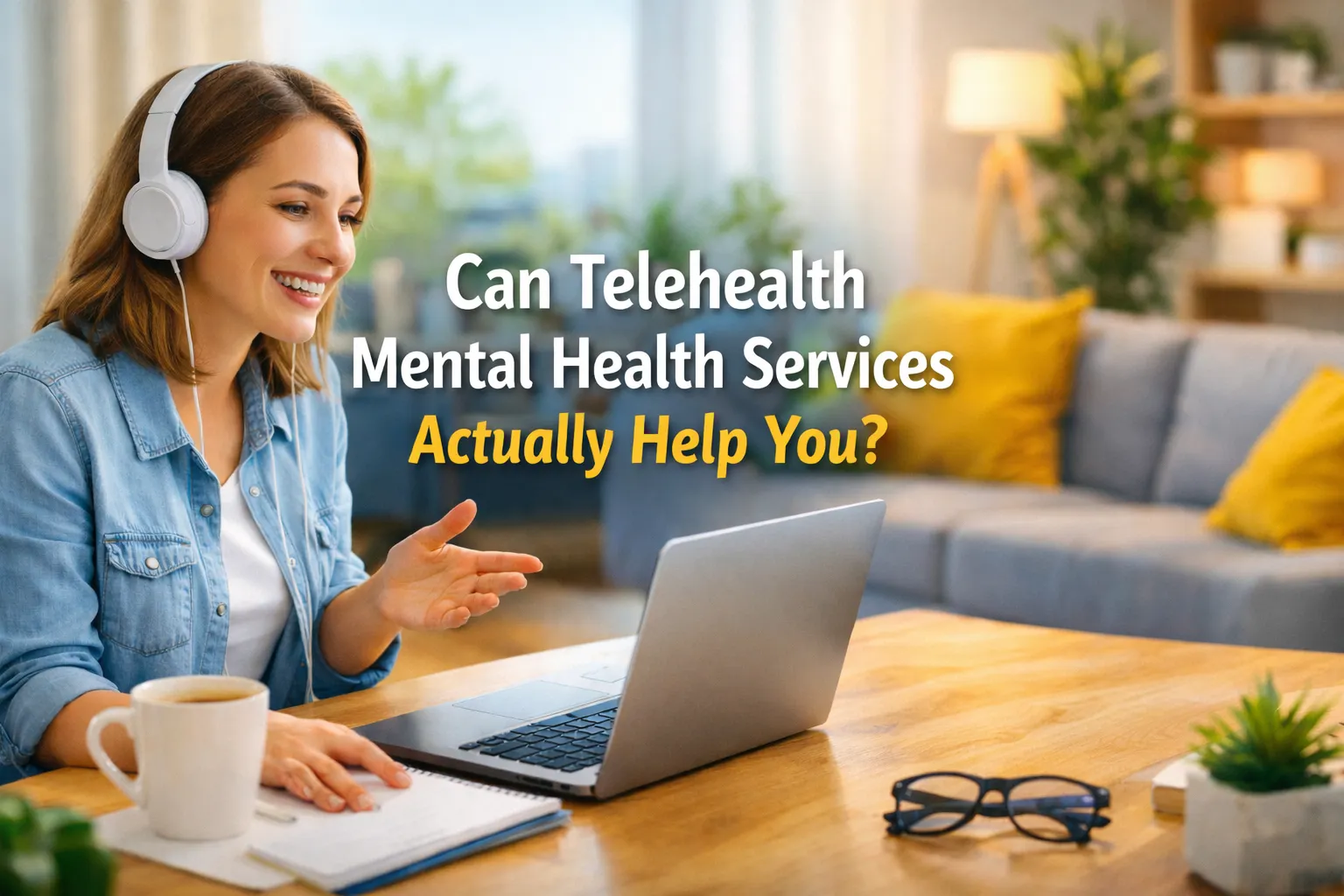
Telehealth mental health services connect you with licensed therapists, counselors, and psychiatrists through secure video calls, phone sessions, or messaging platforms. It’s similar to traditional therapy, but instead of visiting a clinic, you can attend sessions from your own space.
The Real-World Difference
Unlike self-help apps or automated tools, telehealth services involve qualified professionals who provide therapy, evaluation, and ongoing support.
These services typically include:
- Individual therapy sessions
- Psychiatric evaluations and medication management
- Couples or family counseling
- Ongoing support for conditions like depression, anxiety, PTSD, and bipolar disorder
Does Online Therapy Actually Work?
Research suggests that virtual therapy can produce outcomes comparable to in-person care for many mental health conditions. Many individuals experience meaningful improvement through structured online therapy when working with experienced professionals.
When Telehealth Works Well
Telehealth can be especially helpful for:
- Anxiety-related concerns
- Depression
- Stress management
- Ongoing behavioral health support
Limitations to Consider
While telehealth is effective for many situations, some cases may require in-person evaluation or care. It’s important to choose the approach that best fits your individual needs.
Key Benefits of Telehealth Mental Health Services
Improved Access to Care
In many areas, patients may wait weeks or longer for appointments. Telehealth expands access by connecting individuals with available providers more quickly.
Flexibility and Convenience
Telehealth allows you to attend sessions without commuting or significantly adjusting your daily schedule, making it easier to stay consistent with care.
Comfort and Familiar Environment
Receiving care from your own space can help some individuals feel more relaxed and open during sessions.
A Greater Sense of Privacy
Virtual sessions can feel more private for individuals who prefer not to visit a local clinic, especially in smaller communities.
Reduced Indirect Costs
Telehealth can help reduce additional expenses such as travel, parking, and time away from work. Many insurance plans now include coverage for telehealth mental health services.
How to Know If Telehealth Is Right for You
Telehealth May Be a Good Fit If You:
- Are seeking support for common mental health concerns
- Prefer flexible scheduling options
- Want a more convenient way to access care
- Have access to a private space for sessions
Consider Other Options If You:
- Require more intensive or specialized in-person care
- Prefer face-to-face interaction in a clinical setting
What to Look for in a Telehealth Provider
Essential Features
- Qualified and licensed professionals
- Secure and reliable communication platforms
- Clear information about services and pricing
- Consistency in provider availability
Red Flags to Avoid
- Unclear credentials
- Lack of transparency
- Poor communication or scheduling issues
Getting Started with Telehealth
Step 1: Identify Your Needs
Decide whether you’re looking for therapy, medication support, or general mental health guidance.
Step 2: Review Your Coverage
Check with your insurance provider to understand what services are included.
Step 3: Explore Providers
Look for reputable platforms that offer professional, secure, and transparent services.
Step 4: Book Your First Session
An initial session can help you determine if the provider is a good fit.
Step 5: Set Up Your Space
Choose a quiet and comfortable place where you can speak openly during sessions.
Conclusion: Can Telehealth Mental Health Services Actually Help You?
So, can telehealth mental health services actually help you? For many people, the answer is yes.
Telehealth offers a convenient and accessible way to connect with qualified professionals and receive ongoing support. While it may not be the right solution for every situation, it has become an important option for those seeking flexible and consistent mental health care.
If you’re exploring ways to prioritize your well-being, telehealth can be a valuable step toward getting the support you need.