You’re rushing through another workday, your mind racing with deadlines and responsibilities. The familiar knot of anxiety tightens in your chest as you think about everything on your plate. You know you could benefit from talking to someone, but finding time to sit in a therapist’s waiting room feels impossible. Sound familiar? Thanks to advances in telehealth, help is now more accessible than ever. Virtual therapy offers a practical, effective way to manage anxiety and daily stress without disrupting your routine. In this guide, we’ll explore how online therapy works and how it can support your journey toward calmer, more balanced days.
What is Virtual Therapy?

Virtual therapy brings professional mental health support directly to you through secure video sessions, messaging platforms, and dedicated apps. Instead of traveling to an office, you connect with licensed therapists from the comfort of your home, office, or anywhere with internet access. This modern approach to mental health counseling maintains the same professional standards as traditional in-person therapy while offering unprecedented convenience. You receive the same confidential, compassionate care from qualified, licensed providers, but on your schedule and in your preferred environment. Whether you’re dealing with persistent anxiety, navigating life transitions, or simply feeling overwhelmed by daily pressures, virtual therapy makes quality mental health support accessible when and where you need it.
How Virtual Therapy Helps Manage Anxiety
When you begin virtual therapy for anxiety, your licensed therapist works with you to understand your unique triggers and patterns. Through evidence-based approaches like cognitive behavioral therapy (CBT), you learn to identify the thoughts and behaviors that fuel your anxiety. Your therapist guides you through practical exercises designed to challenge negative thinking patterns and develop healthier responses to stress. Many virtual therapy platforms enable you to track your progress between sessions, helping you recognize improvements that might otherwise go unnoticed.
The benefits extend beyond the therapeutic techniques themselves. Flexible scheduling means you can book sessions during lunch breaks or after putting the kids to bed, making it easier to maintain consistency. Privacy is enhanced when you participate from your own space, which many people find reduces the initial nervousness of seeking help. You can also maintain continuity of care even when traveling or relocating, connecting with the same provider who understands your history and goals. Perhaps most importantly, virtual therapy removes geographical barriers, giving you access to licensed providers who specialize in anxiety treatment regardless of where you live.
Supporting Daily Stress Care
Beyond scheduled therapy sessions, virtual mental health services provide ongoing support for managing everyday stress. Your therapist might recommend brief check-ins between full sessions, helping you stay accountable to your coping strategies when life gets hectic. Many providers offer practical tools you can integrate into your daily routine: guided breathing exercises you can practice during your commute, digital stress logs that help you identify patterns, or mindfulness prompts that remind you to pause and reset throughout the day.
These daily stress management techniques work best when they’re easily accessible. Imagine being able to access a calming breathing exercise right before a stressful presentation, or message your therapist between sessions for support when you need it. Virtual therapy platforms often include relaxation techniques, journaling features, and educational resources you can use anytime. The beauty of this approach is that it meets you where you are. Whether you have ten minutes or an hour, there are tools available to support your mental well-being without requiring you to rearrange your entire schedule or leave your home.
Tips to Get Started with Virtual Therapy
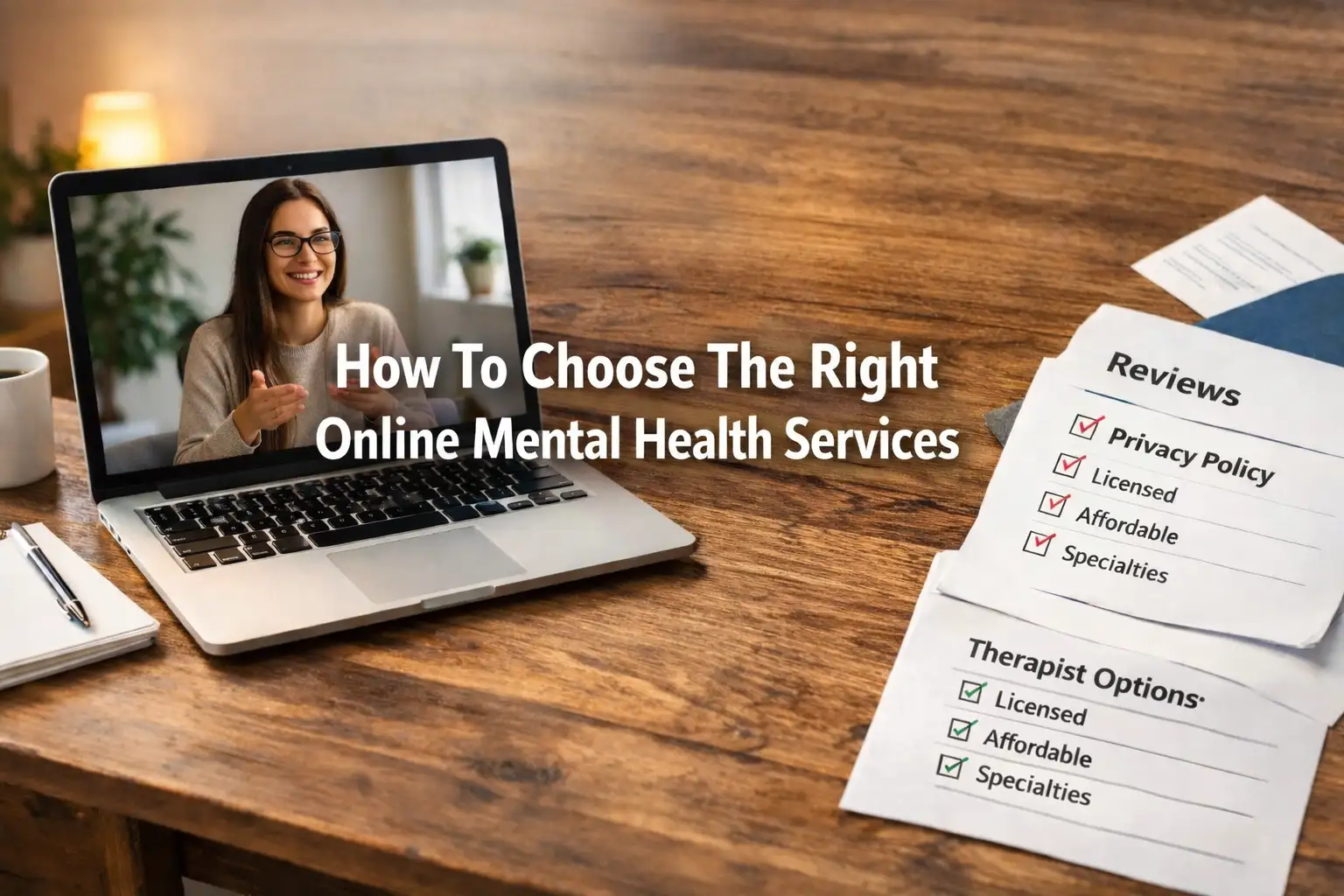
Starting virtual therapy is simpler than you might think. Begin by choosing a licensed provider through a reputable telehealth service. Look for platforms that prioritize security and privacy, ensuring your sessions and personal information remain confidential. Understand the different session types available: live video consultations offer the most traditional therapy experience, while messaging options provide flexibility for those with unpredictable schedules. Some services even offer app-based tools to supplement your sessions.
Don’t feel pressured to commit to a long-term plan immediately. Many providers offer initial sessions where you can ask questions and determine if virtual therapy feels right for you. Set realistic goals for your first few sessions—perhaps you want to learn one stress management technique or gain clarity on a specific anxiety trigger. Track small improvements in how you feel or respond to stressful situations. Remember, healing is a process, and every step forward counts, no matter how small it seems.
Conclusion
Virtual therapy has transformed mental health care, making professional support for anxiety and daily stress more accessible and convenient than ever before. You no longer need to choose between managing your mental health and maintaining your busy life—telehealth brings both together. Licensed therapists are ready to help you develop effective coping strategies, understand your anxiety triggers, and build resilience for whatever challenges lie ahead. If you’ve been hesitating to seek support because of time constraints, privacy concerns, or uncertainty about the process, virtual therapy might be the solution you’ve been looking for.
Your journey toward calmer, more balanced days can begin today. Connect with a licensed mental health provider and discover how virtual therapy can fit seamlessly into your life. Take that first step—your future self will thank you.